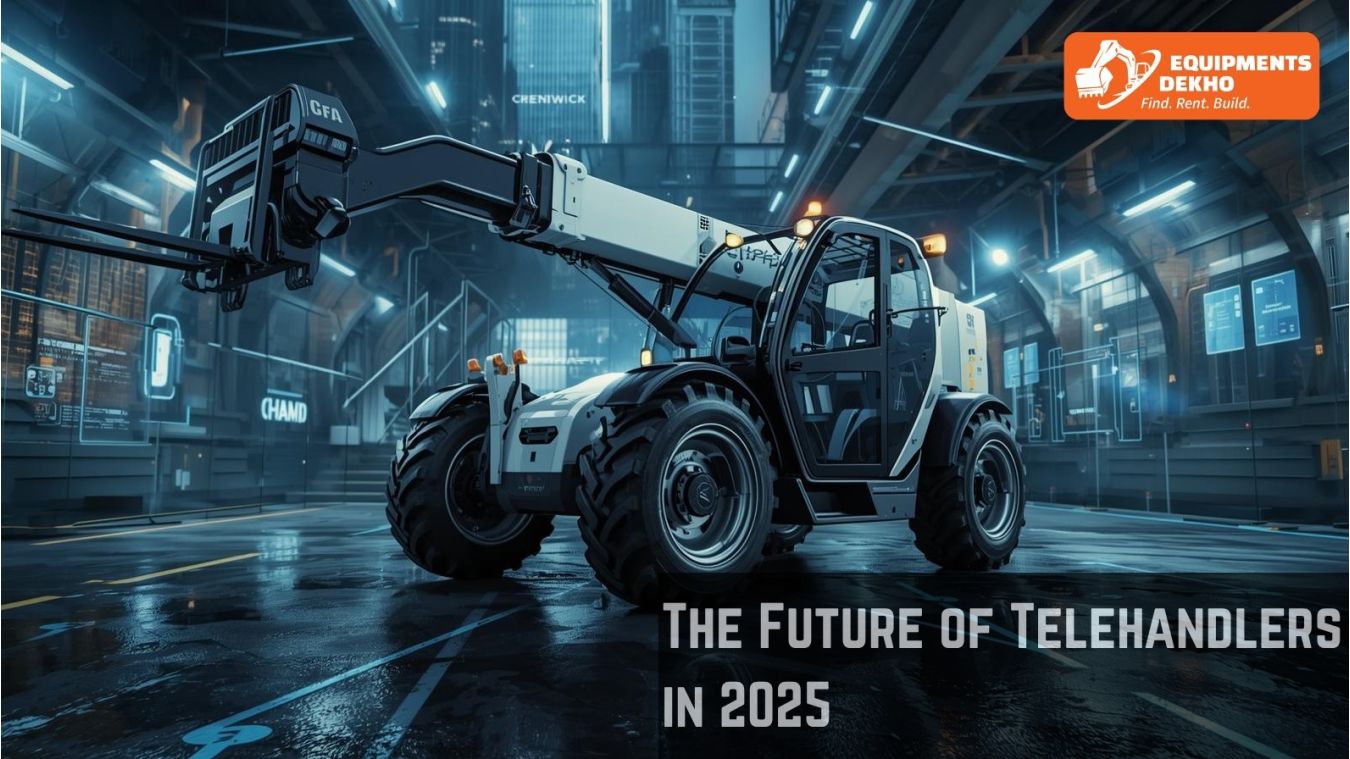
The role of telehandlers in India has expanded far beyond simple material lifting. In 2025, construction companies are looking for equipment that can work smarter, faster, and more sustainably — especially in high-density urban environments where project timelines are tighter and efficiency is a must. Telehandlers are stepping up to that need with advanced automation, safety monitoring, and eco-friendly power systems. In this blog, we take a deep dive into what is truly changing in the telehandler world and how these innovations are reshaping Indian construction projects.
Telehandlers are now being built with systems that boost productivity and reduce operator stress. Smart lifting controls help maintain machine stability and load balance even when working at maximum reach. Many next-gen telehandlers can automatically adjust boom movement to prevent overload. Operators are experiencing better confidence and fewer mistakes on challenging jobs such as lifting materials to upper floors or maneuvering through tight access areas.
On a commercial project in Hyderabad, for example, a major builder integrated automated boom-assist features in their fleet. They reported a noticeable reduction in load handling errors and faster completion of repetitive lifting tasks — proof that automation is no longer just a luxury but a real on-site advantage.
Telematics tools — such as JCB’s LiveLink or Manitou’s Connected Platform — are quickly becoming standard equipment. Fleet owners can now monitor location, fuel use, idle time, servicing needs, and operator behavior directly from their mobile devices. This helps reduce downtime, plan preventive maintenance, and control rental losses.
One rental company in Pune shared that telematics allowed them to lower unauthorized machine usage and cut fuel waste by nearly 20% within months. With projects rapidly adopting digital fleet planning, these tools are helping companies operate leaner and make smarter capital decisions.
Telehandlers are also part of India’s larger push toward green construction. Tier-IV compliant engines, cleaner fuel systems, and hybrid technologies are gradually entering the market. Low-noise and low-emission machines are particularly useful for cities like Mumbai and Delhi, where infrastructure construction often clashes with congestion and pollution restrictions.
Some telehandler manufacturers are even testing fully electric models in warehouse infrastructure and metro projects. While widespread adoption may take time due to cost and charging limitations, the direction for the future is clear — reduced emissions and increased environmental responsibility.
Safety has always been central to telehandler design, but 2025 machines are adding even more layers of protection. Better cabin visibility, reverse-assist cameras, proximity detection alerts, and load stability monitors help prevent accidents before they happen. ROPS/FOPS-certified cabins and ergonomic seating also ensure that operators can remain alert and comfortable during long shifts.
Contractors often share that small improvements like clearer instrumentation, smoother joystick operation, and reduced cabin vibration have positively impacted operator fatigue — which in turn lowers the risk of human error.
From residential high-rises to industrial power projects, construction teams in India now expect equipment that can adapt. Telehandlers are becoming central to this shift because they replace multiple machines — a forklift, crane, and loader — while taking less space and working more efficiently. With smarter machines, fleet managers can reduce costs, improve worker safety, and future-proof operations against rising sustainability standards.
Telehandlers in 2025 are not just about lifting loads — they’re about intelligence, efficiency, and accountability. As India scales up its infrastructure ambitions, the demand for equipment that matches modern construction needs is rising fast. Companies that invest early in these smart, telematics-enabled and greener telehandlers will gain a clear competitive advantage in productivity and long-term operational savings.
Sanjay Patel is a certified construction equipment technician, specializing in the repair and upkeep of excavators, loaders, and lifting equipment. With hands-on shop-floor experience, Sanjay shares maintenance hacks, troubleshooting tips, and durability reviews on Equipments Dekho to ensure machines run longer and safer.


Comments